PM Imran Terms His Tenure as an Economic Success Story And More Details
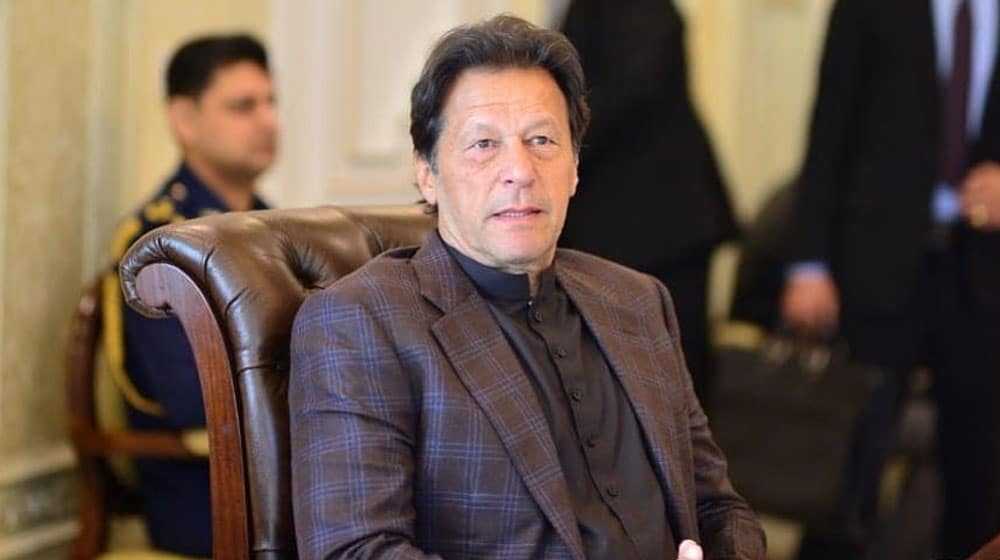
Prime Minister (PM) Imran Khan has likened his government’s three years in power to “an economic success story” despite a surging current account deficit and the worsening rupee, reported Radio Pakistan.
said that his government has done exceptionally well despite inheriting a colossal circular debt, vicious anti-export policies, unsustainable fiscal conditions, and a less competitive business environment from the previous government’s tenure.
While chairing a meeting of the Macro Economic Advisory Group in Islamabad on Friday (today), the PM said that Pakistan’s GDP is set to grow exceeding four percent regardless of its worst-ever liquidity crisis in 2018 and facing issues like economic difficulties due to COVID-19, high commodity prices in the global market, and the humanitarian crisis in Afghanistan.
He said that in comparison to other countries in the region, Pakistan performed extraordinarily well in combatting COVID. He explained that the government’s Smart Lockdowns and incentive policies for the construction sector as well as social protection programs and subsidies for industries, small and medium enterprises, kept the economy developing at a steady pace, as appreciated by analysts across the world.
Consequently, the premier urged relevant departments to cooperate and implement additional strategies for bolstering the macroeconomic state of the country.
His remarks contrast sharply with the broader economic outlook that has been hurt by the rupee’s worst year in 2021 while a huge import bill has exacerbated the current account. The State Bank of Pakistan’s (SBP) foreign exchange reserves also recently dropped to under $18 billion.
Subsequently, the meeting was given a comprehensive review of the country’s overall economic position, the government’s initiatives to offset the consequences of high commodity prices on the general public, and the government’s accomplishments during the previous three years.
The meeting was informed that following the successful avoidance of the crisis left by the previous government, solid measures were implemented that resulted in high growth relative to all regional countries, especially during COVID’s test phases.
Exports have climbed by 25 percent, tax revenues have increased by 38 percent, and remittances have increased by a further 27 percent. Furthermore, it was informed that the agriculture sector saw record earnings, industries saw record-high profits of 950 billion rupees, the IT industry boomed, and the monthly circular debt was reduced as a result of successful IPP tariff agreements.
In addition, it was stated that the government delivered on its promise of a welfare state by introducing the largest social safety net program under Ehsaas, implementing institutional reforms, and effectively complying with FATF standards, saving the country from being placed on the blacklist.
Thereafter, proposals were offered to reduce the consequences of high global commodity prices on ordinary people. The recommendations included raising people’s earnings, increasing their purchasing power, providing subsidies to the middle and lower-income levels, and expanding the social safety net.


Comments
Post a Comment